
Samenvatting
DEHP is een chemische stof met CAS-nummer 117-81-7. De stof is als CMR-stof geclassificeerd: reprotoxisch. Het CLP-signaalwoord is Gevaar.
Stofprofiel
DEHP is een chemische stof met CAS-nummer 117-81-7. De stof is als CMR-stof geclassificeerd: reprotoxisch. Het CLP-signaalwoord is Gevaar.
3 vermeldingen voor deze stof
Een vermelding is niet altijd een verbod. Open een regeling voor normen, voorwaarden en bronnen.
Deze stof is als prioritaire stof opgenomen onder de Kaderrichtlijn Water. Voor oppervlaktewater gelden Europese milieukwaliteitsnormen.
De vermelding is niet automatisch een gebruiks- of lozingsgrens. De praktische betekenis hangt af van nationale uitvoering, vergunningen, watercontext en voetnoten.
Deze stof is opgenomen als prioritaire stof volgens de Kaderrichtlijn Water. Voor oppervlaktewater gelden milieukwaliteitsnormen.
De vermelding betekent dat voor deze stof Europese milieukwaliteitsnormen gelden.
| Norm | Toepassing | Waarde |
|---|---|---|
| Jaargemiddelde (AA-EQS) | Binnenwater | 1,3 µg/l |
| Jaargemiddelde (AA-EQS) | Ander oppervlaktewater | 1,3 µg/l |
| Maximaal aanvaardbare concentratie (MAC-EQS) | Binnenwater | Niet van toepassing |
| Maximaal aanvaardbare concentratie (MAC-EQS) | Ander oppervlaktewater | Niet van toepassing |
Dit zijn Europese normen voor de beoordeling van de kwaliteit van oppervlaktewater. Een getoonde waarde is niet automatisch een lozingsgrens of gebruiksvoorwaarde voor iedere gebruiker; de praktische betekenis hangt mede af van nationale uitvoering, vergunningen, de watercontext en eventuele voetnoten in de richtlijn.
Bron: Bijlage I — prioritaire stoffen en milieukwaliteitsnormen
Voor deze stof is in REACH Annex XVII een beperking opgenomen. Raadpleeg de volledige tekst voor de geldende voorwaarden en uitzonderingen.
De volledige juridische tekst bepaalt de concentratiegrenzen, uitzonderingen en toepassingsvoorwaarden.
Deze stof valt onder Beperking nr. 51 in REACH Annex XVII. Hieronder staan de kern en de volledige juridische beperkingstekst.
Toepasselijke REACH-regel: Beperking nr. 51
Volledige juridische beperkingstekst (Engels)
1. Shall not be used as substances or in mixtures, individually or in any combination of the phthalates listed in column 1 of this entry, in a concentration equal to or greater than 0,1 % by weight of the plasticised material, in toys and childcare articles. 2. Shall not be placed on the market in toys or childcare articles, individually or in any combination of the first three phthalates listed in column 1 of this entry, in a concentration equal to or greater than 0,1 % by weight of the plasticised material. In addition, DIBP shall not be placed on the market after 7 July 2020 in toys or childcare articles, individually or in any combination with the first three phthalates listed in column 1 of this entry, in a concentration equal to or greater than 0,1 % by weight of the plasticised material. 3. Shall not be placed on the market after 7 July 2020 in articles, individually or in any combination of the phthalates listed in column 1 of this entry, in a concentration equal to or greater than 0,1 % by weight of the plasticised material in the article. 4. Paragraph 3 shall not apply to: (a) articles exclusively for industrial or agricultural use, or for use exclusively in the open air, provided that no plasticised material comes into contact with human mucous membranes or into prolonged contact with human skin; (b) aircraft, placed on the market before 7 January 2024 , or articles, whenever placed on the market, for use exclusively in the maintenance or repair of those aircraft, where those articles are essential for the safety and airworthiness of the aircraft; (c) motor vehicles within the scope of Directive 2007/46/EC, placed on the market before 7 January 2024 , or articles, whenever placed on the market, for use exclusively in the maintenance or repair of those vehicles, where the vehicles cannot function as intended without those articles; (d) articles placed on the market before 7 July 2020 ; (e) measuring devices for laboratory use, or parts thereof; (f) materials and articles intended to come into contact with food within the scope of Regulation (EC) No 1935/2004 or Commission Regulation (EU) No 10/2011 ; (g) medical devices within the scope of Directives 90/385/EEC, 93/42/EEC or 98/79/EC, or parts thereof; (h) electrical and electronic equipment within the scope of Directive 2011/65/EU; (i) the immediate packaging of medicinal products within the scope of Regulation (EC) No 726/2004, Directive 2001/82/EC or Directive 2001/83/EC; (j) toys and childcare articles covered by paragraphs 1 or 2. 5. For the purposes of paragraphs 1, 2, 3 and 4(a), (a) plasticised material means any of the following homogeneous materials: polyvinyl chloride (PVC), polyvinylidene chloride (PVDC),polyvinyl acetate (PVA), polyurethanes, any other polymer (including, inter alia, polymer foams and rubber material) except silicone rubber and natural latex coatings, surface coatings, non-slip coatings, finishes, decals, printed designs, adhesives, sealants, paints and inks. (b) prolonged contact with human skin means continuous contact of more than 10 minutes duration or intermittent contact over a period of 30 minutes, per day. (c) childcare article shall mean any product intended to facilitate sleep, relaxation, hygiene, the feeding of children or sucking on the part of children. 6. For the purposes of paragraph 4(b), aircraft means one of the following: (a) a civil aircraft produced in accordance with a type certificate issued under Regulation (EC) No 216/2008 or with a design approval issued under the national regulations of a contracting State of the International Civil Aviation Organisation (ICAO), or for which a certificate of airworthiness has been issued by an ICAO contracting State under Annex 8 to the Convention on International Civil Aviation, signed on December 7, 1944 , in Chicago; (b) a military aircraft.
Controleer de volledige juridische tekst op toepassing, productsoort, concentratiegrens en uitzonderingen voordat de stof of het mengsel wordt gebruikt of op de markt gebracht.
inademing, inslikken/opname via de mond, contact
Oorspronkelijke NIOSH-waarde: Inh, Ing, Con Jurisdictie: USirritatie ogen, muc memb; in animals: liver damage; terato effects; [carc]
Oorspronkelijke NIOSH-waarde: Irrit eyes, muc memb; in animals: liver damage; terato effects; [carc] Jurisdictie: USogen, ademhalingsstelsel, centraal zenuwstelsel, lever, repro sys, GI tract [in animals: lever tumors]
Oorspronkelijke NIOSH-waarde: Eyes, resp sys, CNS, liver, repro sys, GI tract [in animals: liver tumors] Jurisdictie: USCa [5000 mg/m3]
US Bron: NIOSH Pocket Guide to Chemical Hazards (2005-149), 3rd printing · 2005-149-3rd-printing-2008Ca (see Table 1): D TWA 5 mg/m 3 3
US Bron: NIOSH Pocket Guide to Chemical Hazards (2005-149), 3rd printing · 2005-149-3rd-printing-2008Deze 5 stoffen delen met deze stof de volgende regelgevende statussen: de REACH-beperking en de REACH-autorisatieplicht.
Waarden uit verschillende databanken
Databanken kunnen verschillende waarden vermelden.
Waarden uit verschillende databanken
Databanken kunnen verschillende waarden vermelden.
Waarden uit verschillende databanken
Databanken kunnen verschillende waarden vermelden.
Waarden uit verschillende databanken
Databanken kunnen verschillende waarden vermelden.
Waarden uit verschillende databanken
Databanken kunnen verschillende waarden vermelden.
Waarden uit verschillende databanken
Databanken kunnen verschillende waarden vermelden.
Waarden uit verschillende databanken
Databanken kunnen verschillende waarden vermelden.
Waarden uit verschillende databanken
Databanken kunnen verschillende waarden vermelden.
Waarden uit verschillende databanken
Databanken kunnen verschillende waarden vermelden.
Gevaar
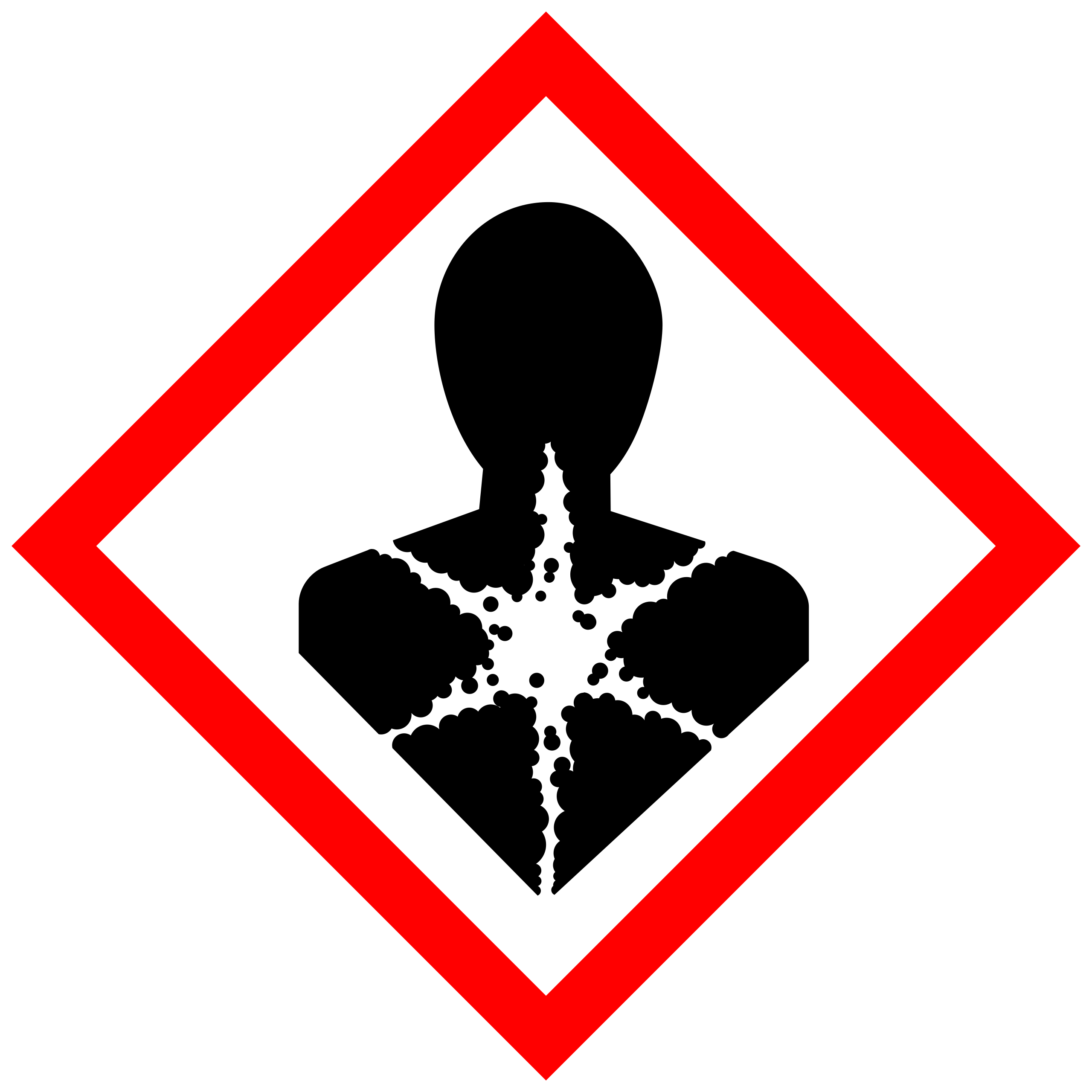 Gezondheidsgevaar (lange termijn)
Geen P-zinnen beschikbaar.
Ja. De beschikbare CMR-vermelding betreft: Reprotoxisch.
De stof heeft de volgende Europese milieukwaliteitsnormen: Jaargemiddelde (AA-EQS) voor Binnenwater: 1,3 µg/l; Jaargemiddelde (AA-EQS) voor Ander oppervlaktewater: 1,3 µg/l; Maximaal aanvaardbare concentratie (MAC-EQS) voor Binnenwater: Niet van toepassing µg/l; Maximaal aanvaardbare concentratie (MAC-EQS) voor Ander oppervlaktewater: Niet van toepassing µg/l.
Autorisatieplicht. Reden: Toxic for reproduction (category 1B) Endocrine disrupting properties (Article 57(f) – human health) Endocrine disrupting properties (Article 57(f) – environment); Uiterste aanvraagdatum: (a) 21 August 2013 (*) (b) By way of derogation from point (a): 14 June 2023 for uses in: food contact materials within the scope of Regulation (EC) No 1935/2004; immediate packaging of medicinal products covered under Regulation (EC) No 726/2004, Directive 2001/82/EC, and/or Directive 2001/83/EC; mixture
Beperking nr. 51. 1. Shall not be used as substances or in mixtures, individually or in any combination of the phthalates listed in column 1 of this entry, in a concentration equal to or greater than 0,1 % by weight of the plasticised material, in toys and childcare articles. 2. Shall not be placed on the market in toys or childcare articles, individually or in any combination of the first three phthalates listed in column 1 of this entry, in a concentration equal to or greater than 0,1 % by weight of the plastic
Beheer voorraad, locaties en veiligheidsinformatie van deze stof centraal.
Blijvend gratis tot 3 stoffen · Geen creditcard nodig
Bekijk prijzenPagina-inhoud bijgewerkt op 11-08-2026.
Inhoudelijk gecontroleerd op 10-08-2026.
Deze pagina combineert gegevens uit meerdere betrouwbare databronnen.
Gebruikte databronnen