Samenvatting
Perfluoroctaanzuur is een chemische stof met CAS-nummer 335-67-1. De stof is als CMR-stof geclassificeerd: reprotoxisch. Het CLP-signaalwoord is Gevaar.
Stofprofiel
Perfluoroctaanzuur is een chemische stof met CAS-nummer 335-67-1. De stof is als CMR-stof geclassificeerd: reprotoxisch. Het CLP-signaalwoord is Gevaar.
2 vermeldingen voor deze stof
Een vermelding is niet altijd een verbod. Open een regeling voor normen, voorwaarden en bronnen.
Deze stof is opgenomen in Bijlage I van de EU-POP-verordening. Productie, het in de handel brengen en gebruik zijn in beginsel verboden, behalve waar de verordening een uitzondering toestaat.
Controleer de volledige verordening op specifieke uitzonderingen, voorwaarden en onbedoelde sporenverontreinigingen.
EU-POP staat voor persistente organische verontreinigende stoffen. Deze stoffen breken moeilijk af, kunnen zich ophopen in de voedselketen en over grote afstanden worden verspreid.
Deze status is afkomstig uit de EU-POP-verordening; concrete uitzonderingen, voorwaarden en toepassingsgrenzen staan in de volledige verordening.
Productie, het op de markt brengen en gebruik zijn in beginsel verboden, behoudens uitzonderingen en specifieke voorwaarden in de verordening.
Bron: Bijlage I — verbod
Voor deze stof is in REACH Annex XVII een beperking opgenomen. Raadpleeg de volledige tekst voor de geldende voorwaarden en uitzonderingen.
De volledige juridische tekst bepaalt de concentratiegrenzen, uitzonderingen en toepassingsvoorwaarden.
Deze stof valt onder Beperking nr. 68 in REACH Annex XVII. Hieronder staan de kern en de volledige juridische beperkingstekst.
Toepasselijke REACH-regel: Beperking nr. 68
Volledige juridische beperkingstekst (Engels)
1. Shall not be manufactured, or placed on the market as substances on their own from 4 July 2020 . 2. Shall not, from 4 July 2020 , be used in the production of, or placed on the market in: (a) another substance, as a constituent; (b) a mixture; (c) an article, in a concentration equal to or above 25 ppb of PFOA including its salts or 1000 ppb of one or a combination of PFOA-related substances. 3. Points 1 and 2 shall apply from: (a) 4 July 2022 to: (i) equipment used to manufacture semi-conductors; (ii) latex printing inks. (b) 4 July 2023 to: (i) textiles for the protection of workers from risks to their health and safety; (ii) membranes intended for use in medical textiles, filtration in water treatment, production processes and effluent treatment; (iii) plasma nano-coatings. (c) 4 July 2032 to medical devices other than implantable medical devices within the scope of Directive 93/42/EEC. 4. Points 1 and 2 shall not apply to any of the following: (a) perfluorooctane sulfonic acid and its derivatives, which are listed in Part A of Annex I to Regulation (EC) No 850/2004; (b) the manufacture of a substance where this occurs as an unavoidable by-product of the manufacture of fluorochemicals with a carbon chain equal to or shorter than 6 atoms; (c) a substance that is to be used, or is used as a transported isolated intermediate, provided that the conditions in points (a) to (f) of Article 18(4) of this Regulation are met; (d) a substance, constituent of another substance or mixture that is to be used, or is used: (i) in the production of implantable medical devices within the scope of Directive 93/42/EEC; (ii) in photographic coatings applied to films, papers or printing plates; (iii) in photo-lithography processes for semiconductors or in etching processes for compound semiconductors; (e) concentrated fire-fighting foam mixtures that were placed on the market before 4 July 2020 and are to be used, or are used in the production of other fire-fighting foam mixtures. 5. Point 2(b) shall not apply to fire-fighting foam mixtures which were: (a) placed on the market before 4 July 2020 ; or (b) produced in accordance with point 4(e), provided that, where they are used for training purposes, emissions to the environment are minimised and effluents collected are safely disposed of. 6. Point 2(c) shall not apply to: (a) articles placed on the market before 4 July 2020 ; (b) implantable medical devices produced in accordance with point 4(d)(i); (c) articles coated with the photographic coatings referred to in point 4(d)(ii); (d) semiconductors or compound semiconductors referred to in point 4(d)(iii).
Controleer de volledige juridische tekst op toepassing, productsoort, concentratiegrens en uitzonderingen voordat de stof of het mengsel wordt gebruikt of op de markt gebracht.
Deze 5 stoffen delen met deze stof de REACH-beperking.
Waarden uit verschillende databanken
Databanken kunnen verschillende waarden vermelden.
Waarden uit verschillende databanken
Databanken kunnen verschillende waarden vermelden.
Waarden uit verschillende databanken
Databanken kunnen verschillende waarden vermelden.
Waarden uit verschillende databanken
Databanken kunnen verschillende waarden vermelden.
Waarden uit verschillende databanken
Databanken kunnen verschillende waarden vermelden.
Gevaar
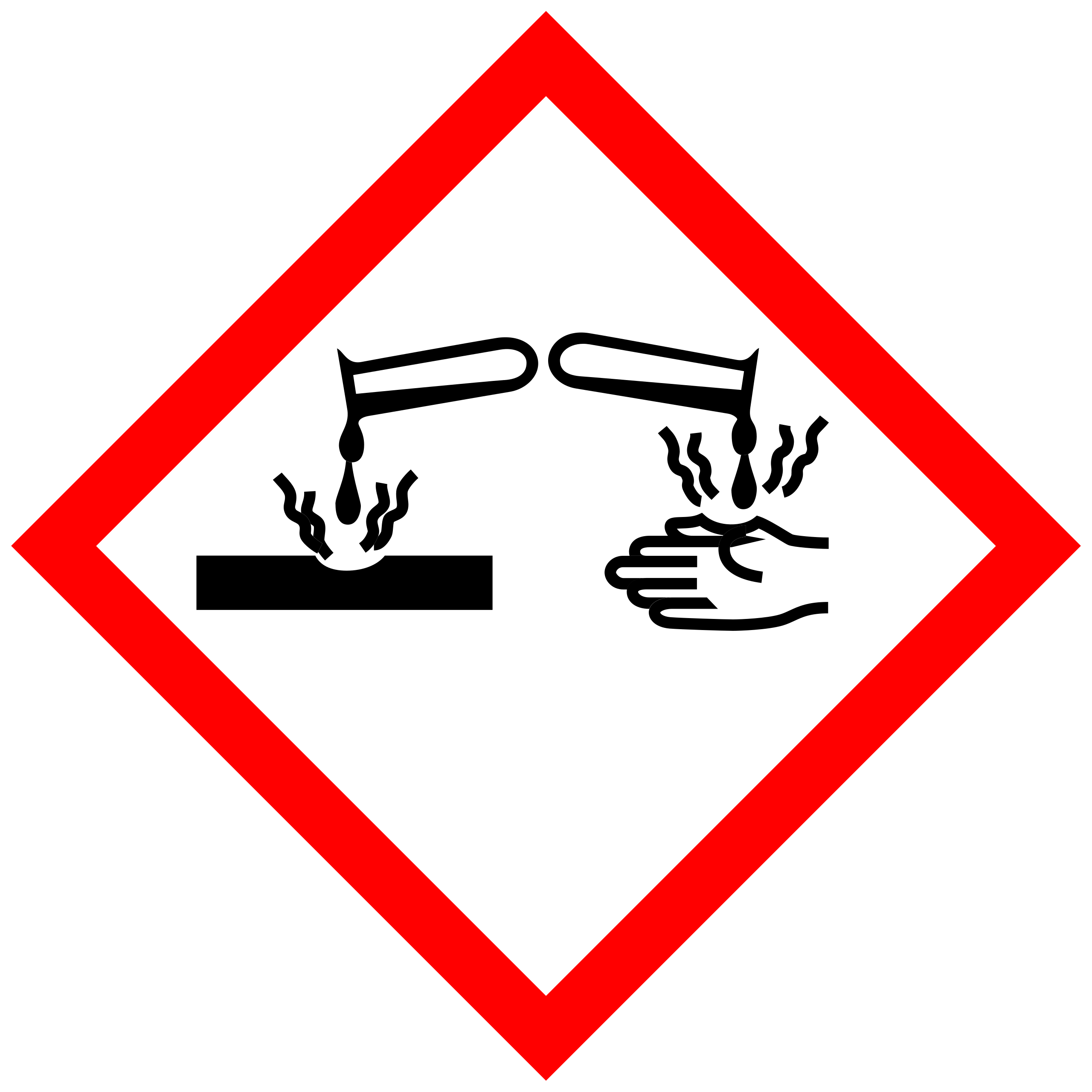
Corrosief (bijtend)
Schadelijk / irritatie
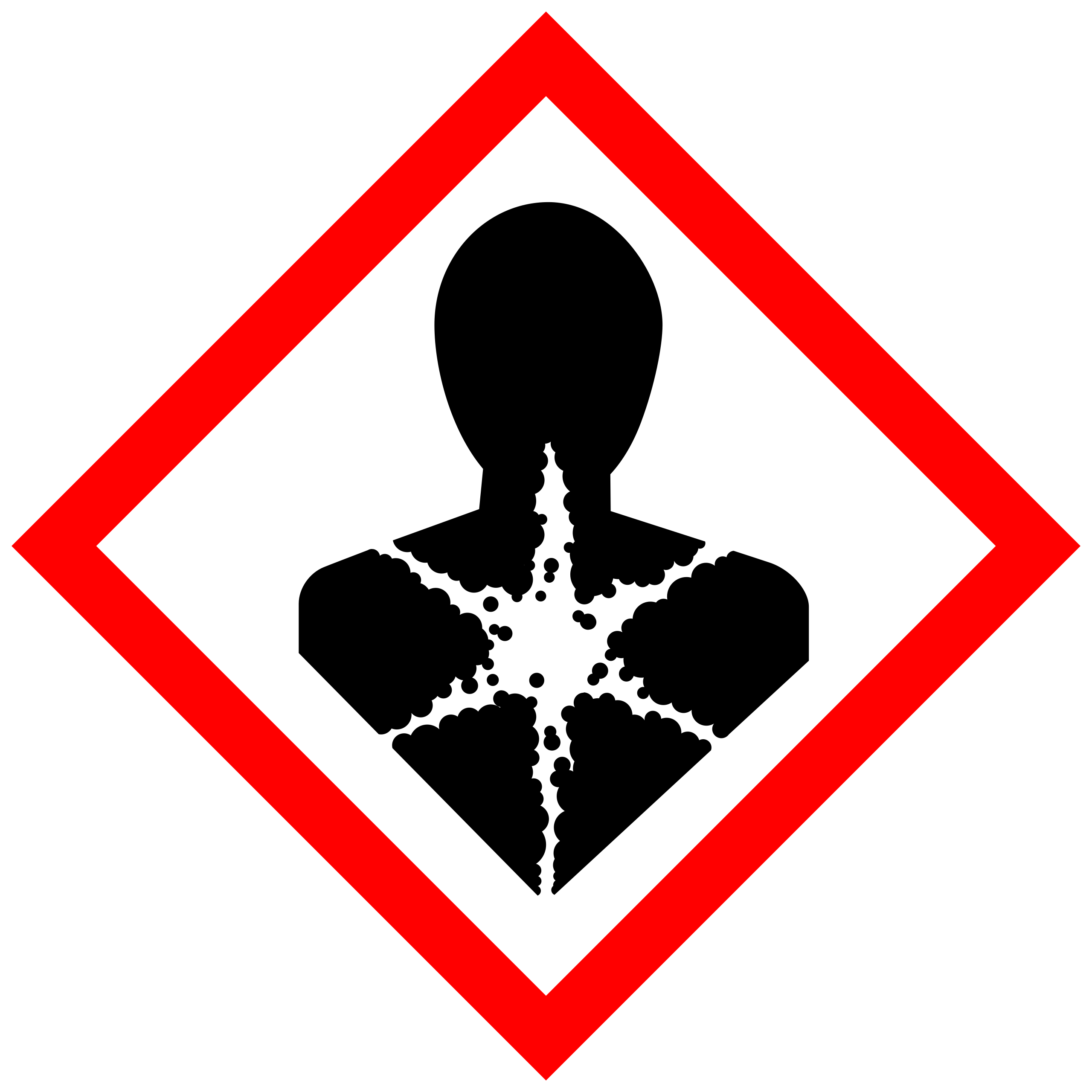
Gezondheidsgevaar (lange termijn)
Geen P-zinnen beschikbaar.
Ja. De beschikbare CMR-vermelding betreft: Reprotoxisch.
Deze stof valt onder de EU-POP-verordening en is opgenomen in Bijlage I — verbod. EU-POP staat voor persistente organische verontreinigende stoffen. Deze stoffen breken moeilijk af, kunnen zich ophopen in de voedselketen en over grote afstanden worden verspreid.
Beperking nr. 68. 1. Shall not be manufactured, or placed on the market as substances on their own from 4 July 2020 . 2. Shall not, from 4 July 2020 , be used in the production of, or placed on the market in: (a) another substance, as a constituent; (b) a mixture; (c) an article, in a concentration equal to or above 25 ppb of PFOA including its salts or 1000 ppb of one or a combination of PFOA-related substances. 3. Points 1 and 2 shall apply from: (a) 4 July 2022 to: (i) equipment used to manufacture semi-conduc
Beheer voorraad, locaties en veiligheidsinformatie van deze stof centraal.
Blijvend gratis tot 3 stoffen · Geen creditcard nodig
Bekijk prijzenPagina-inhoud bijgewerkt op 11-08-2026.
Deze pagina combineert gegevens uit meerdere betrouwbare databronnen.
Gebruikte databronnen