
Samenvatting
asbest is een chemische stof met CAS-nummer 77536-68-6. Deze stof is ingedeeld als kankerverwekkend. De CLP-classificatie vermeldt: Carc. 1A, STOT RE 1.
Stofprofiel
De CMR-aanduiding volgt uit de geharmoniseerde indeling in bijlage VI van de CLP-verordening . Controleer daarnaast rubriek 2 van het VIB van het concrete product op aanvullende classificaties.
asbest is een chemische stof met CAS-nummer 77536-68-6. Deze stof is ingedeeld als kankerverwekkend. De CLP-classificatie vermeldt: Carc. 1A, STOT RE 1.
1 vermelding getoond in dit overzicht
Een vermelding is niet altijd een verbod. Open een regeling voor normen, voorwaarden en bronnen.
Beperking nr. 6 verbiedt de vervaardiging, het in de handel brengen en het gebruik van de genoemde asbestvezels en van producten en mengsels waaraan deze vezels opzettelijk zijn toegevoegd. Voor bepaalde al vóór 1 januari 2005 geïnstalleerde of gebruikte producten kan nationaal gebruik tot verwijdering of einde levensduur zijn toegestaan.
Bepaal eerst of het gaat om een nieuw product of om een product dat aantoonbaar al vóór 1 januari 2005 was geïnstalleerd of in gebruik was. Breng een nieuw product met opzettelijk toegevoegd asbest niet in de handel en gebruik het niet. Controleer voor een bestaand product de nationale voorwaarden en de REACH-etikettering vóór het in de handel brengen. Laat vóór bewerken of verwijderen afzonderlijk beoordelen welke Nederlandse asbestregels gelden, waaronder inventarisatie en risicoklassebepaling.
REACH-bijlage XVII punt 6, geconsolideerde versie 11-05-2026
Werkzaamheden aan asbest
Voor onderhoud, bewerken of verwijderen gelden naast REACH de Nederlandse arbeidsomstandighedenregels voor asbest. Controleer vóór aanvang of inventarisatie, risicoklassebepaling, melding en gecertificeerde uitvoering vereist zijn.
Toepasselijke REACH-regel: Beperking nr. 6
Opgeslagen juridische beperkingstekst (Engels)
1. The manufacture, placing on the market and use of these fibres and of articles and mixtures containing these fibres added intentionally is prohibited. However, if the use of diaphragms containing chrysotile for electrolysis installations in use on 13 July 2016 had been exempted by a Member State in accordance with the version of this paragraph in force until that date, the first subparagraph shall not apply until 1 July 2025 to the use in those installations of such diaphragms or of chrysotile used exclusively in the maintenance of such diaphragms, provided that such use is carried out in compliance with the conditions of a permit set in accordance with Directive 2010/75/EU of the European Parliament and of the Council . Any downstream user benefiting from such an exemption shall send, by 31 January of each calendar year to the Member State in which the relevant electrolysis installation is located, a report indicating the amount of chrysotile used in diaphragms pursuant to the exemption. The Member State shall transmit a copy to the European Commission. Where, in order to protect the health and safety of workers, a Member State requires monitoring of chrysotile in air by downstream users, the results shall be included in that report. 2. The use of articles containing asbestos fibres referred to in paragraph 1 which were already installed and/or in service before 1 January 2005 shall continue to be permitted until they are disposed of or reach the end of their service life. However, Member States may, for reasons of protection of human health, restrict, prohibit or make subject to specific conditions, the use of such articles before they are disposed of or reach the end of their service life. Member States may allow placing on the market of articles in their entirety containing asbestos fibres referred to in paragraph 1 which were already installed and/or in service before 1 January 2005 , under specific conditions ensuring a high level of protection of human health. Member States shall communicate these national measures to the Commission by 1 June 2011 . The Commission shall make this information publicly available. 3. Without prejudice to the application of other Community provisions on the classification, packaging and labelling of substances and mixtures, the placing on the market and use of articles containing these fibres, as permitted according to the preceding derogations, shall be permitted only if suppliers ensure before the placing on the market that articles bear a label in accordance with Appendix 7 to this Annex.
Deze 5 stoffen delen met deze stof REACH-beperking nr. 6.
Dit profiel toont de geharmoniseerde indeling en etikettering uit CLP-bijlage VI. Dit is niet altijd de volledige indeling van een leveranciersproduct. Rubriek 2 van het actuele VIB kan aanvullende gevaren vermelden. Uitleg in artikel 4, lid 3 van CLP
Gevaar
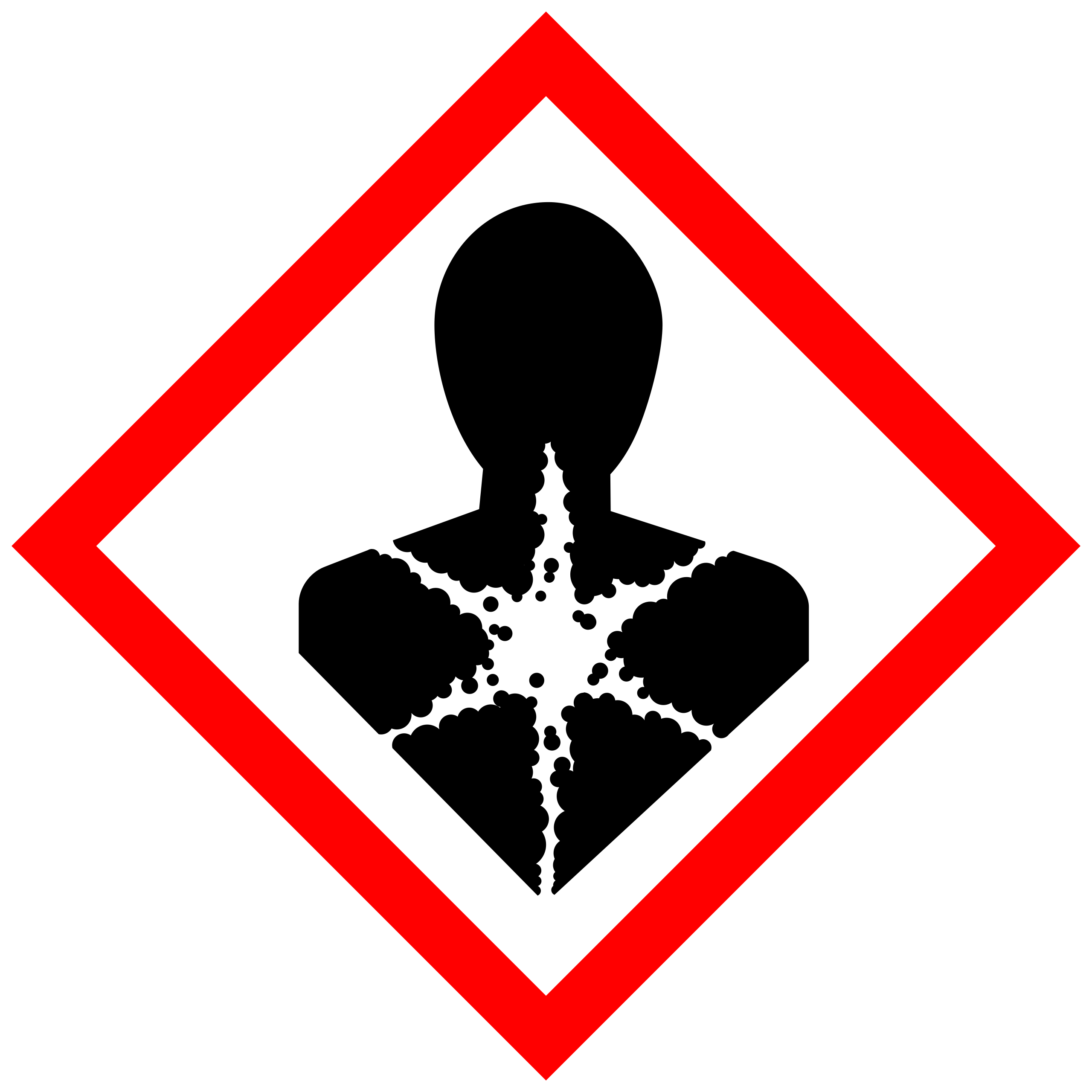 Gezondheidsgevaar (lange termijn)
Voor dit stofprofiel zijn geen P-zinnen vastgelegd. Dit is geen volledig etiket; bepaal de voorzorgsmaatregelen voor het concrete product afzonderlijk.
De indeling als kankerverwekkend is onderbouwd door de CLP-classificatie Carc. 1A en H350.
Beheer voorraad, locaties en veiligheidsinformatie van deze stof centraal.
Blijvend gratis tot 3 stoffen · Geen creditcard nodig
Bekijk prijzenPagina-inhoud bijgewerkt op 11-08-2026.
Deze pagina combineert gegevens uit meerdere betrouwbare databronnen.
Gebruikte databronnen